
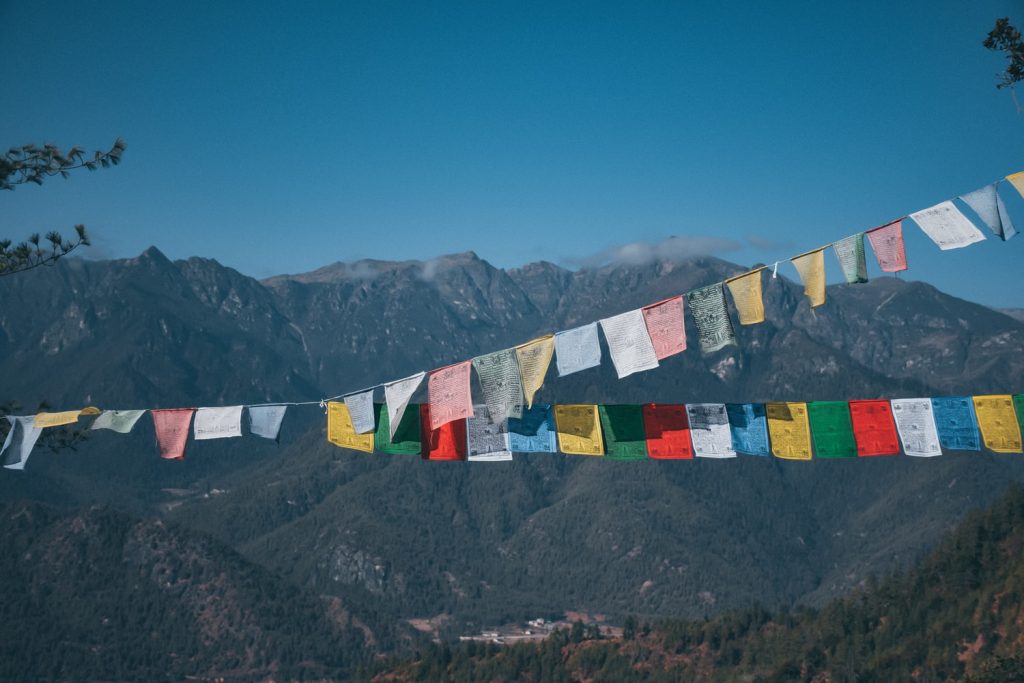
Bhutan – the Land of the Thunder Dragon – is an unspoiled kingdom with an intact Buddhist culture that is deeply rooted in the way of life. The Bhutanese have treasured their natural environment throughout the centuries so it is still pure and richly intact; you will find stunning snow-capped Himalayan peaks, alpine meadows and densely forested hills and ravines in this beautiful country.
We look further at the appeal of this still-mysterious Himalayan sovereign state that we love – and especially as Lonely Planet has named it as their best country to visit in 2020!

Bhutan is a country where you will find friendly and humorous people, incredible Himalayan panoramas, treks and walks amongst fabulous flora and fauna – indeed the slower pace, the Bhutanese people and the wonderful environment allows a breath-taking, and therapeutic experience.
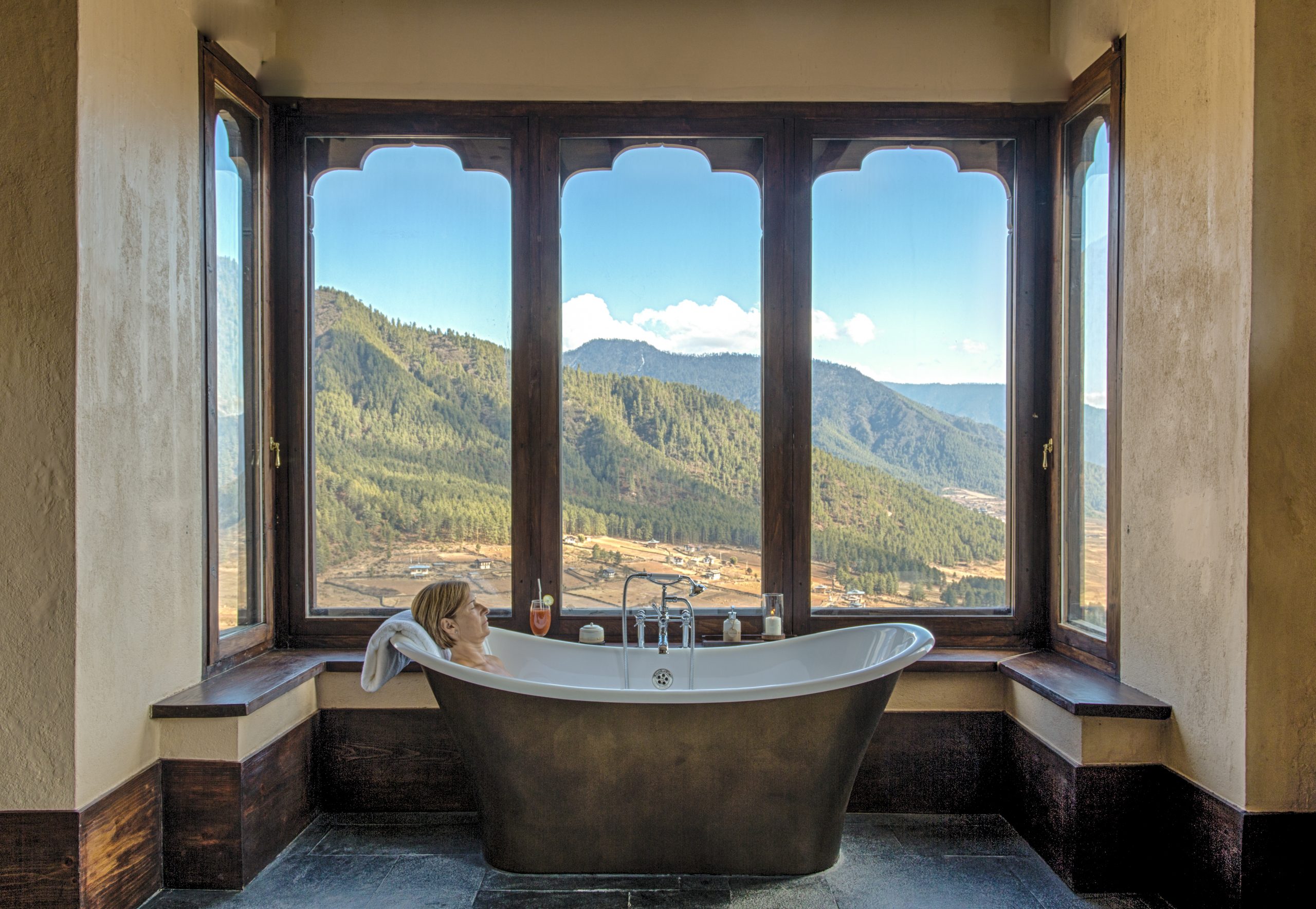
More recently Bhutan has attracted some high-end hotel development and there is now a much greater choice of places to stay. Many blend carefully with the surrounding natural environment and promote simplicity, at the same time offering world-class service and comfort. These include Gangtey Lodge, and the Amankora, Como and Six Senses resorts.
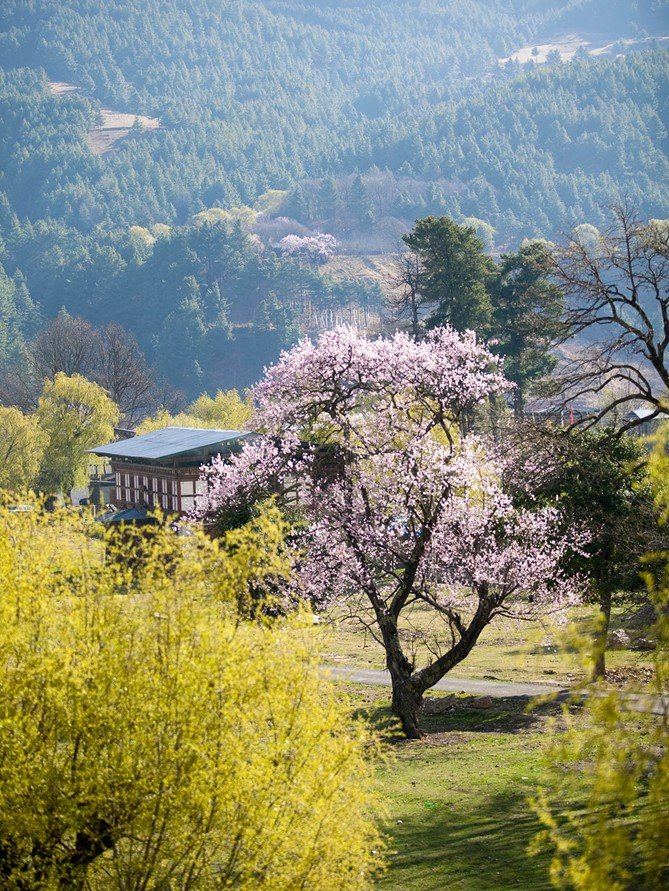
We find that many people like to mix things up when it comes to accommodation – staying in a variety of recommended 3* and 4* heritage hotels, with some nights in more upmarket hotels. Of course, this will have a bearing on cost too.
In terms of tourism Bhutan has adopted a policy of ‘high value, low impact’. There is no independent travel in the kingdom. Instead travellers must have a visa, pay a mandatory minimum daily fee of $250 per person and book through an officially approved tour operator.
Whilst these charges may at first make Bhutan seem an expensive destination for independent travellers, it’s important to look at the details. This charge includes a licensed accompanying tour guide, lodging in tourist approved 3* accommodation, all meals, camping and trekking equipment, and domestic travel.
The charge also incorporates a daily sustainable fee which supports healthcare, education and building a sustainable tourism infrastructure within Bhutan.
Through its tourism policy Bhutan hopes to avoid the negative impact of mass tourism. Visitors should be aware that although they must book through an approved tour operator, they still have the freedom to plan their own itinerary, with expert guidance.
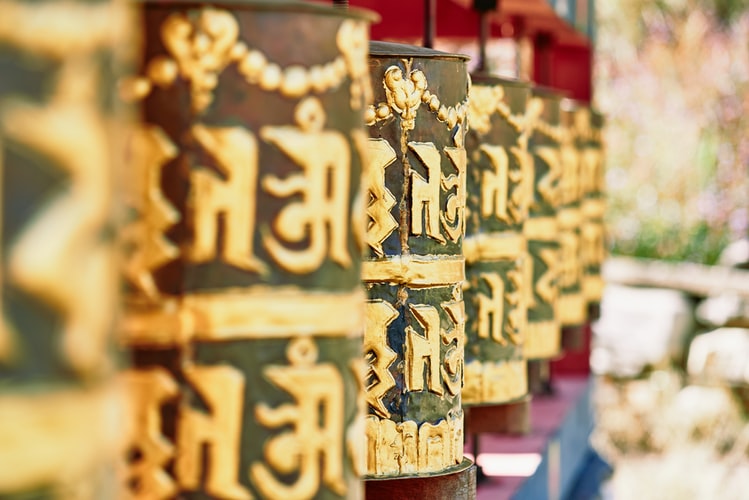
Here at Maxwell Scott Travel, we can help plan a visit of the country to include specific highlights, whether this is exploring the culture and architectural heritage of Bhutan – solid earth farmhouses, cliff hugging goembas (monasteries) such as the Tiger’s Nest; temples; and some beautiful dzongs (fortresses) that have served as religious and administrative centres since the 17th century.
Special interests too can be included. Textiles, for example. Throughout the kingdom the Bhutanese wear traditional dress, the gho for men – longish robes worn at knee length and tied around the waist by a cloth belt (kera). The women’s ankle-length dress is known as kira which is made of brightly coloured fine woven fabric with traditional patterns. Hand-woven and embroidered textiles are recognised as Bhutan’s foremost handicraft.
There is also wonderful birding; trekking and hiking amongst glorious flora and fauna. Late spring is fantastic for the rhododendrons everywhere!
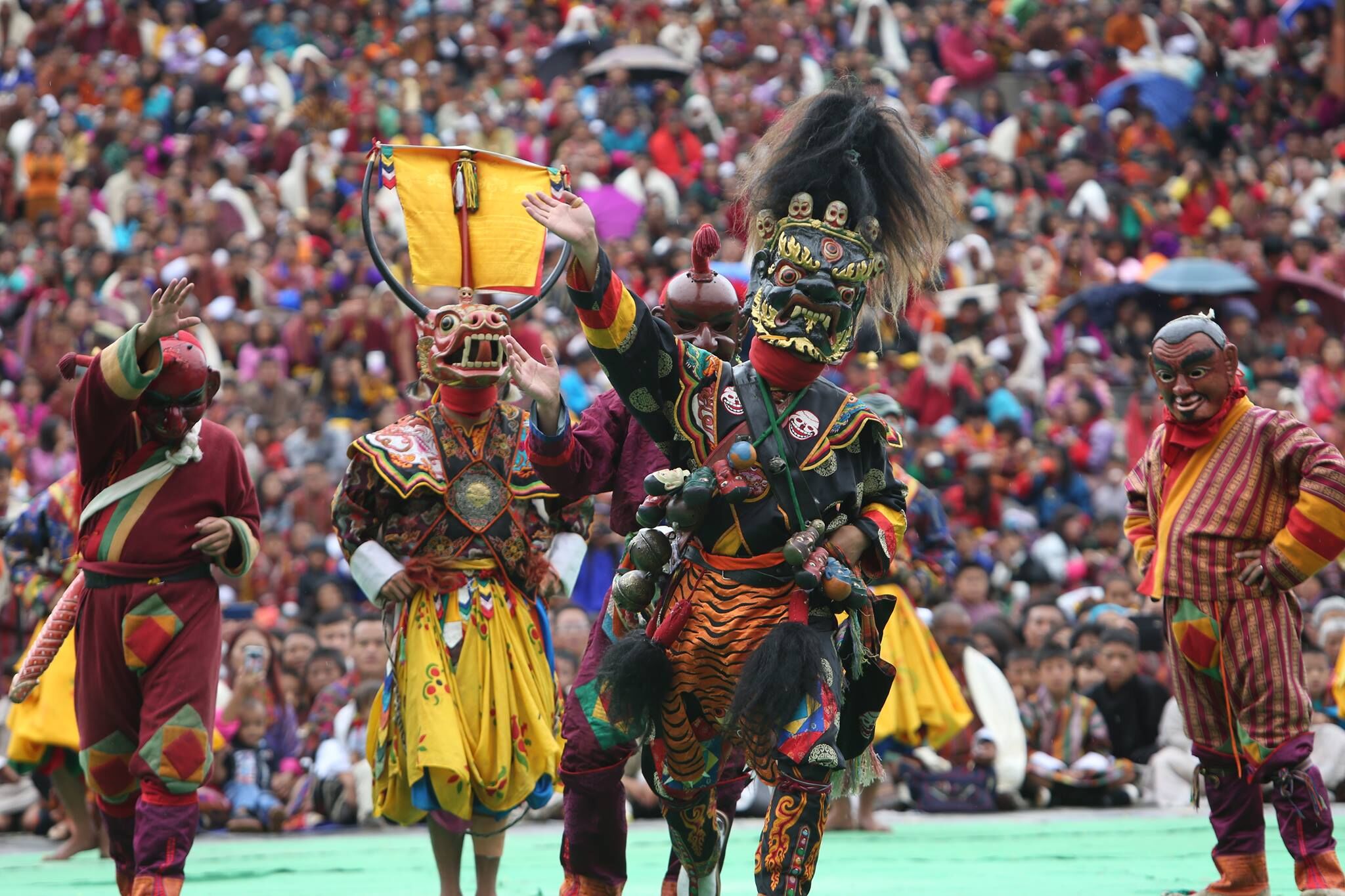
You might also like to coincide your visit with one of Bhutan’s festivals. These are deeply religious, vibrant and colourful dance festivals performed by masked and elaborately robed dancers. Most Dzongs host an annual festival; the largest of these is the Tsechu. These are popular occasions so early planning is advised.
Many foreign visitors are intrigued by the idea that the Bhutanese authorities prioritise Gross National Happiness as an integral part of their economic strategy. When King Jigme Singye Wangchuck introduced the idea of a Gross National Happiness index in the early seventies, promoting a good quality of life for his citizens was a key element. Bhutan sought to increase the well-being of its population through four key ‘pillars’; sustainable development, environmental protection, cultural preservation and good governance.
As well as monitoring the country’s growing tourism industry, the Bhutanese authorities are committed to protecting the natural resources of the kingdom. It is the first carbon negative country in the world – all the more amazing given that it borders India and China, two of the major producers of carbon dioxide – and it hopes to become the first fully organic nation by 2020. On top of this it has committed to creating zero waste by 2030, producing zero net greenhouse gas and increasing the use of solar and wind energy.

The success of the Bhutanese environmental policies mean that the country’s rich natural resources are preserved. The nation’s constitution stipulates that the country must have a minimum of 60% forest coverage; the actual figure currently stands at around 70%.
Whilst the efforts of the Bhutanese government to carefully manage the development of tourism and its environmental impact may appear as an example for other countries to emulate, the reality is somewhat more nuanced. Bhutan’s situation is unique amongst developed countries because it was able to limit the impact of tourism from the very birth of the tourism industry. As the nation only opened to tourists in 1974 it has been able to manage numbers, oversee the gradual and sustainable development of the tourism infrastructure and control its environmental impact, a situation unparalleled in most developed countries.
The size of the country and pace of development has also facilitated the Gross National Happiness policies; Bhutan is a similar size to Switzerland but has just one tenth of its population. As the first road wasn’t built until the 1960s, car ownership has been slow to increase and the policy of facilitating the purchase of electric vehicles has been successful.

There are so many reasons to visit this truly unique destination; after all, if the travel bible that is Lonely Planet is echoing our love for Bhutan, perhaps it’s time to add it to your travel wish list for 2020.
Do get in touch with us if you are interested in finding our more about visiting Bhutan – or you’d like to chat to us about planning a trip to any one of our destination countries. Please contact Amanda Kay by email: amanda@travelmaxwellscott.com or telephone 01937 520677.
We look forward to introducing you to this stunning mountain kingdom!